Business
HP names former GSK chief Emma Walmsley as CEO
By Jake Thompson
Advertisement · Why this ad?
Lila Johnson is a seasoned business reporter with a background in finance, having graduated from the University of North Dakota. She has previously worked with local business journals and focuses on small business success stories and entrepreneurial initiatives.
More from Lila →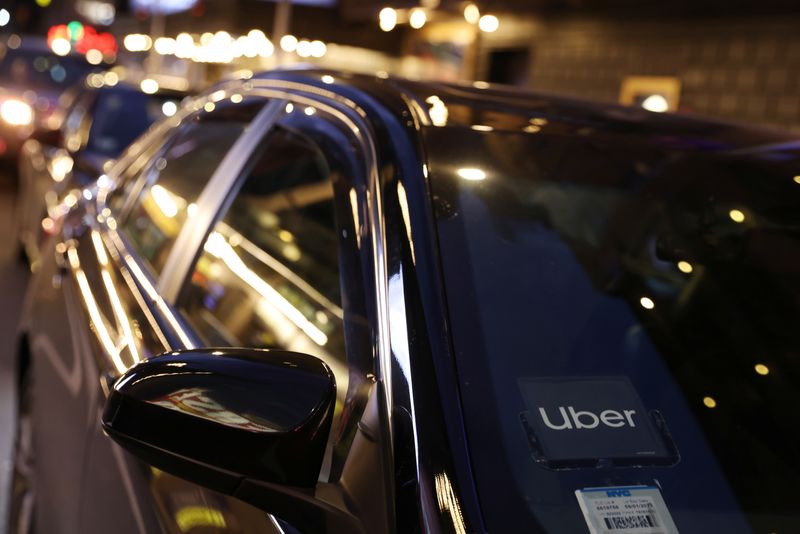
On a brisk autumn afternoon in Fargo, a group of friends huddled around their smartphones, trying to book a ride to a local restaurant. Their laughter echoed in the air, but their excitement quickly turned to frustration as they faced delays and higher fares from their usual ride-hailing service. This scenario has become all too common as Uber, the ride-hailing giant, has recently forecasted disappointing profits, highlighting the struggles they face in a rapidly changing market.
On November 4, Uber announced its adjusted profit forecast, which fell short of Wall Street expectations. The company projected fourth-quarter adjusted profits of 95 to 99 cents per share, while analysts had anticipated $1.06 per share. This disappointing forecast comes at a time when Uber is grappling with a multitude of challenges, including driver shortages, rising fuel costs, and geopolitical tensions stemming from the ongoing conflict in the Middle East.
CEO Dara Khosrowshahi noted that the Middle East conflict has directly impacted Mobility bookings growth, contributing a 75 basis-point drag. As Uber navigates these turbulent waters, it is also investing significantly in recruiting and retaining drivers, which adds to their operational costs. The company expects gross bookings to range between $63.25 billion and $65.25 billion, slightly below analyst estimates of $64.42 billion.
These challenges have led to a nearly 2% decline in Uber's shares during premarket trading, reflecting investor concerns about the company's ability to maintain growth in an increasingly competitive environment. With the demand for rides remaining high, the gap between supply and demand is becoming more pronounced, particularly in international markets such as Canada, where tighter immigration flows have exacerbated driver shortages.
The driver shortage is not just a statistic; it has real implications for the Fargo community. Local drivers have reported feeling the pinch as they navigate rising fuel costs and increased competition from other gig economy platforms. As Uber seeks to address the shortage, it has ramped up spending on driver acquisition and retention strategies. This includes bonuses for existing drivers and incentives for new recruits to join the platform.
In a recent statement, Khosrowshahi emphasized the importance of bolstering the driver workforce, stating, "Elevated fuel prices and tighter driver availability weighed on supply growth in several international markets." This sentiment resonates with local drivers who have expressed concerns about the sustainability of their income amid fluctuating demand and rising operational costs.
For many Fargo residents, Uber represents not just a convenient transportation option but a lifeline for those who rely on ridesharing for their daily commutes or social outings. As the company invests more in driver retention, it could potentially lead to improved service reliability. However, the question remains: will these efforts be enough to bridge the widening gap between supply and demand?
The implications of Uber's challenges extend beyond the company itself; they ripple through the fabric of our community. For many families in Fargo, the availability of reliable transportation is crucial for maintaining jobs, attending school, and accessing essential services. The driver shortages and rising costs could hinder the ability of residents to move freely within the city.
Moreover, the economic pressures facing Uber may trickle down to drivers, who often juggle multiple gigs to make ends meet. The struggles of these individuals highlight the importance of stable employment and the need for community support. As families face economic uncertainty, the emphasis on strong marriages and intact households becomes more significant than ever. The American dream of a stable, loving home is often built on the foundation of reliable income sources.
In Fargo, local businesses also feel the impact. Restaurants, shops, and service providers that rely on Uber for customer traffic may see a decline in patronage if ride availability diminishes. This could lead to a ripple effect, impacting local economies and job opportunities. Community leaders are beginning to recognize the importance of addressing these issues collaboratively, emphasizing the need for local solutions to bolster the gig economy.
Looking ahead, Uber is not only focusing on addressing the immediate challenges but also on long-term innovations. The company has ambitious plans to integrate autonomous vehicles into its operations, with expectations of having about 700 fully driverless vehicles on its platform by the end of the year and over 2,000 by 2027. This shift towards automation aims to alleviate some of the pressures caused by driver shortages.
However, the road to fully autonomous ride-hailing services is fraught with challenges, including regulatory hurdles and public acceptance. As Uber navigates these complexities, it is also scaling back on mergers and acquisitions, with plans for minimal to no further M&A through at least 2027. The recent acquisition of catering marketplace ezCater signifies a strategic pivot towards diversifying its offerings while concentrating capital on a select group of autonomous vehicle partners.
As new technologies are introduced, community engagement will be crucial. Residents of Fargo, including local advocacy groups and transportation experts, are beginning to discuss how these innovations can be aligned with community needs. Public forums and discussions could provide a platform for residents to voice their concerns and aspirations regarding the future of transportation in their city.
The future of Uber in Fargo and beyond will depend on the company's ability to adapt to the changing landscape of transportation. As they invest in new technologies and driver support, the hope is that they can create a more sustainable model that benefits both the company and the communities it serves.
For those in Fargo looking to navigate the challenges of the gig economy, several resources are available. Local organizations such as the Fargo Chamber of Commerce and community support groups offer assistance for drivers seeking to enhance their skills and improve their earning potential. Additionally, workshops and seminars can provide valuable insights into managing finances and navigating the complexities of gig work.
Moreover, the growing trend of family-oriented support networks emphasizes the importance of community in overcoming economic hurdles. By fostering strong relationships and encouraging collaboration among local drivers, families can work together to create a more resilient community.
As the gig economy continues to evolve, it is crucial for residents to stay informed about the changes impacting their livelihoods. By leveraging available resources and building supportive networks, drivers can better navigate the challenges posed by fluctuating demand and rising costs.
In the face of rising challenges, Uber's forecast serves as a reminder of the delicate balance between supply and demand in the ride-hailing industry. For Fargo residents, the implications of these changes are felt on a personal level, as reliable transportation remains a cornerstone of daily life. As Uber invests in driver retention and explores autonomous vehicle technologies, the hope is that the company can stabilize its operations while continuing to serve the community effectively. Ultimately, the strength of families and communities will play a pivotal role in shaping the future of transportation in Fargo and beyond.
By Jake Thompson

By Lila Johnson
By Lila Johnson
By Lila Johnson