
Health
Fresenius Medical cuts top end of 2026 profit outlook
By Mark Gilliam
Advertisement · Why this ad?
Sofia Cheung is a dedicated community reporter with a focus on social issues affecting the Fargo area. A graduate of North Dakota State University, she has spent the last four years reporting for local networks, ensuring that underrepresented voices are heard.
More from Sofia →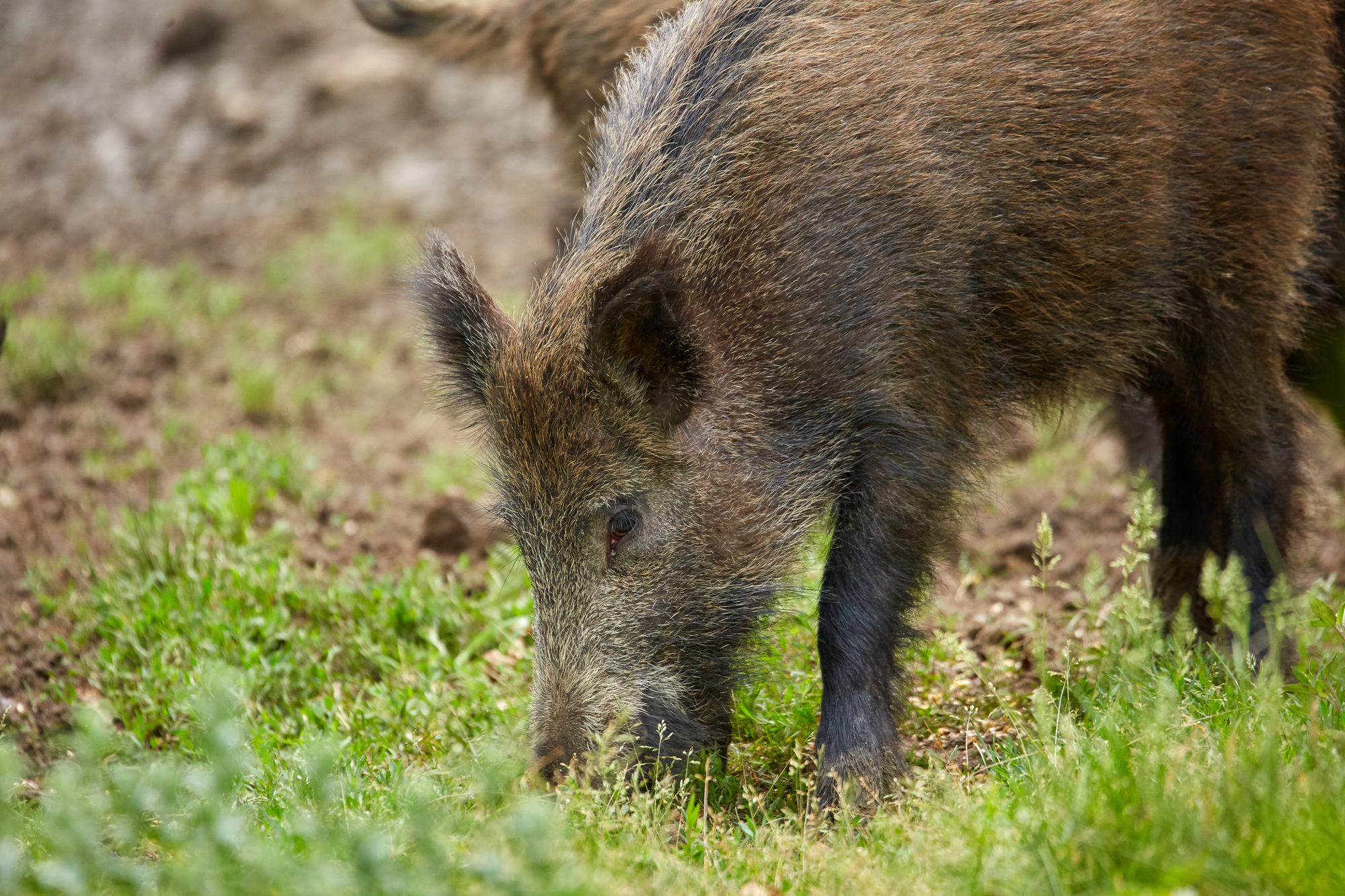
On a sunny afternoon in the heart of a Southern farm, the distant sounds of nature are suddenly interrupted by the raucous grunts of feral swine foraging through the fields. Farmers, who have poured their hearts into cultivating the land, are left to grapple with the destruction these invasive creatures leave in their wake. This scene is becoming all too common across America, as feral swine wreak havoc on farmland, threatening not only crops but the very fabric of rural life.
In a significant move to combat this escalating crisis, the U.S. Department of Agriculture (USDA) has announced a robust investment of $51.9 million to fund 29 partnership projects across 13 states. This funding is part of a larger initiative, the Feral Swine Eradication and Control Pilot Program, which totals $105 million. The program aims to empower local communities and agricultural producers to tackle the feral swine menace that is increasingly threatening American agriculture, landscapes, and public health.
Colton L. Buckley, Chief of the USDA’s Natural Resources Conservation Service (NRCS), emphasized the urgency of the situation, stating, “Feral swine pose a threat to America’s working lands, and through this program, we’re bringing together America’s agricultural producers and partners to combat feral swine and protect agricultural landscapes.” His words resonate with the farmers who have seen their livelihoods jeopardized by these invasive species.
Feral swine, known for their adaptability and rapid reproduction, have become a serious concern across various states, including Alabama, Arkansas, California, Florida, Georgia, Louisiana, Mississippi, Missouri, North Carolina, Oklahoma, South Carolina, Tennessee, and Texas. As they root through fields, they not only destroy crops but also introduce diseases that can affect livestock and even human health.
The impact of feral swine on agriculture is staggering. According to estimates, these animals cause approximately $1.5 billion in damages annually, creating a ripple effect that can devastate local economies and disrupt food supply chains. Farmers like John Mitchell from Alabama have experienced firsthand the challenges posed by these animals. “Last year, I lost nearly 30% of my corn crop to feral swine,” he shares, his voice tinged with frustration. “It’s not just about the money; it’s about the hard work and dedication that goes into every planting season.”
As feral swine populations continue to grow, so does the need for effective management strategies. The USDA’s investment aims to provide resources for research, community education, and direct control measures. Kelly Moore, Administrator of the Animal and Plant Health Inspection Service (APHIS), noted, “Feral swine continue to inflict serious damage on America’s farms, ranches, and natural resources.” This acknowledgment of the problem is crucial as it brings attention to the urgent need for a coordinated response.
Communities affected by feral swine are rallying together, recognizing that collaboration is key to overcoming this challenge. Local farmers, conservationists, and government agencies are joining forces to develop sustainable solutions that not only address the immediate threat but also foster long-term resilience in agricultural practices.
The USDA funding is more than just numbers; it represents hope for communities grappling with the feral swine crisis. In Texas, where the feral swine population is estimated to be over two million, local farmers are eager to implement innovative strategies supported by this funding. “We need to protect our land and our families,” says Maria Gonzalez, a rancher from South Texas. “This funding means we can finally take concrete steps to secure our future.”
As the USDA collaborates with local partners, they are also emphasizing the importance of education in their initiatives. Workshops and training sessions will be held to equip farmers with the knowledge and tools necessary to manage feral swine effectively. This community-driven approach not only empowers individuals but also fosters a sense of solidarity among those affected by the crisis.
One of the key components of the program is the sharing of best practices among farmers. By creating a network of support, they can learn from each other's experiences and develop strategies that are tailored to their specific circumstances. This collaborative spirit is a testament to the resilience and determination of rural communities across the southern U.S.
In addition to the voices of farmers like John Mitchell and Maria Gonzalez, many others are stepping forward to share their experiences and insights. For instance, Linda Carter, a small-scale organic farmer in Louisiana, has seen her fields ravaged by feral swine. “It feels like a losing battle,” she explains. “Every time I think I’ve found a solution, they come back stronger. This funding could really change the game for us.”
Community meetings are being organized in various states to discuss the implications of feral swine on local agriculture. These gatherings not only serve as a platform for sharing information but also help to build a sense of community resilience. Farmers, local leaders, and even representatives from environmental organizations are coming together to brainstorm effective strategies for feral swine management.
The path forward is fraught with challenges, but the USDA’s commitment to eradicating feral swine offers a glimmer of hope. As the projects funded by this initiative get underway, stakeholders are optimistic about the potential for meaningful change. “We’re in this together,” says Buckley, reinforcing the idea that collective action is vital for success.
Farmers are hopeful that with the right resources, they can restore balance to their lands. The urgency of the situation cannot be overstated, as the health of American agriculture and the livelihoods of countless families hang in the balance. The success of this program will not only depend on the financial investment but also on the willingness of communities to come together and take action.
As the USDA continues to roll out its initiatives, it will be crucial to monitor the impact of these projects on both the feral swine population and the agricultural landscape. The collaboration between NRCS and APHIS is a promising step toward a more sustainable future for farmers and rural communities.
For those seeking more information about the USDA’s initiatives, resources are available through the USDA website. Additionally, local agricultural extensions can provide guidance on best practices for managing feral swine populations. Farmers are encouraged to reach out to their local offices for support and to stay informed about upcoming workshops and training sessions.
Community organizations, such as the Natural Resources Conservation Service and Animal and Plant Health Inspection Service, are also valuable resources for farmers looking to combat feral swine. By leveraging these partnerships, farmers can access the tools and knowledge necessary to protect their livelihoods.
As we look to the future, it is essential that communities remain vigilant and proactive in addressing the threats posed by feral swine. The USDA’s investment is a significant step toward safeguarding American agriculture, but it will require ongoing commitment and collaboration among all stakeholders.
By Mark Gilliam

By Erik Svenson
By Lila Johnson

By Erik Svenson