
Community
AngloGold to invest $900 million in mine expansions
By Sofia Cheung
Advertisement · Why this ad?
Sofia Cheung is a dedicated community reporter with a focus on social issues affecting the Fargo area. A graduate of North Dakota State University, she has spent the last four years reporting for local networks, ensuring that underrepresented voices are heard.
More from Sofia →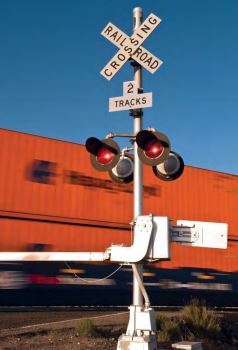
On a quiet Wednesday morning, the stillness of North Dakota's rural landscape was shattered by a tragic accident that underscores the fragile line between everyday routine and unforeseen tragedy. A 62-year-old man from Lignite lost his life after colliding with a moving train while driving his pickup truck just five miles west of Flaxton. The scene was a stark reminder of the importance of vigilance at crossings that many might overlook, especially when safety measures are minimal.
The North Dakota Highway Patrol reports that the collision occurred around 8 a.m. at a railroad crossing that lacks gates or warning lights, a detail that raises questions about the safety measures in place at this particular crossing. The driver, whose identity remains undisclosed pending family notification, was traveling westbound when his vehicle was struck by the train. Emergency responders arrived promptly, but sadly, the man was pronounced dead at the scene. Fortunately, no one aboard the train was injured in the incident.
The circumstances surrounding the crash are still under investigation, with troopers examining factors such as visibility, speed, and whether the driver had adequate time to react. The railroad crossing's lack of gates is a point of concern for local residents and safety advocates who emphasize the importance of protective barriers at all crossings to prevent similar tragedies.
The small community of Flaxton and surrounding towns are mourning the loss of a fellow resident. Many residents express concern over the safety of crossings that are not equipped with gates or flashing lights, especially in rural areas where traffic is less frequent but accidents can be devastating. Families like the Johnsons, who have lived in the area for generations, recall past incidents and advocate for increased safety measures.
Local officials and community leaders are calling for a review of existing crossing safety protocols. Some suggest that installing gates and warning signals could prevent future tragedies. The incident has also sparked conversations about the importance of driver awareness, particularly in areas where visual cues may be limited and crossing signals are absent.
North Dakota, with its sprawling plains and agricultural communities, has thousands of railroad crossings spread across its rural landscape. Historically, many of these crossings were established in the early 20th century when railroads first expanded into the region, connecting small towns and facilitating the movement of crops, livestock, and goods. Over the decades, safety infrastructure at these crossings has varied widely, often depending on local funding and priorities.
In recent years, the North Dakota Department of Transportation (NDDOT) has been working to modernize and improve safety at many crossings, but progress is uneven. Rural areas, like the vicinity of Flaxton, often lack the resources for comprehensive upgrades, leaving some crossings with minimal safety features. This incident has reignited debates about equitable safety investments across the state, especially in areas where traffic volume is low but the potential for tragedy remains high.
Many residents recall previous near-misses and accidents, underscoring a community-wide concern that more needs to be done to protect people in these remote but vital parts of North Dakota. The tragedy in Flaxton is a stark reminder that infrastructure improvements are not just about convenience—they are about saving lives.
The victim, a man whose name has not yet been released, was known locally as a dedicated community member. His family, who have asked for privacy during this difficult time, are described by neighbors as kind and hardworking. He was a lifelong resident of Lignite, a small town with a population of around 500 residents, known for its coal mining history and close-knit community bonds.
The train involved was operated by BNSF Railway, one of the largest freight railroads in North America. BNSF has a longstanding presence in North Dakota, with numerous lines crisscrossing the state, supporting local economies and connecting farms to markets. The crew on the train was unharmed, and initial reports indicate that the train was traveling at a typical speed through the rural crossing.
For residents of Flaxton and nearby communities, this tragedy hits close to home. Many families rely on the railroad for economic livelihood, whether through employment or the transportation of local products. The loss of a community member in such a preventable accident raises questions about safety and the need for proactive measures.
Furthermore, rural communities often feel overlooked when it comes to infrastructure investment. This incident has galvanized local advocacy groups, such as the Flaxton Community Safety Coalition, which have long called for better safety features at crossings. Their efforts include lobbying for federal and state funding to install gates, flashing lights, and other protective devices at high-risk crossings.
As investigators continue to piece together the details of this heartbreaking accident, the community is left grappling with grief and a renewed call for action. The North Dakota Department of Transportation has been urged to evaluate the safety of rural crossings statewide, with many residents hoping this tragedy will serve as a catalyst for change. The hope is that better signage, gates, and public awareness campaigns can help protect lives in the future.
In the meantime, families and neighbors are rallying around the victim's loved ones, emphasizing the importance of faith, family, and community bonds that help heal wounds inflicted by such sudden loss. The incident reminds us all of the preciousness of life and the need for vigilance, especially in places where safety measures may be overlooked or underfunded. As the community mourns, they also unite in a shared commitment to prevent another tragedy like this from happening again.
Looking ahead, local officials plan to hold a town hall meeting to discuss safety improvements at rural crossings, inviting residents to share their concerns and ideas. The hope is that through collective effort and faith in community, North Dakota can become a safer place for all who pass through its quiet countryside.
In response to this incident, local leaders are exploring new initiatives aimed at improving safety awareness and infrastructure. The Flaxton Town Council has scheduled a series of community forums over the next few months, where residents can voice their concerns and suggest solutions. These gatherings are expected to focus on increasing signage, installing flashing lights, and advocating for the installation of gates at the most vulnerable crossings.
Moreover, local schools and community organizations are planning safety education campaigns, emphasizing the importance of obeying crossing signs and remaining vigilant near tracks. The goal is to foster a culture of safety that extends beyond infrastructure, encouraging individuals to take personal responsibility when approaching crossings.
State officials are also paying close attention to this incident. The North Dakota Department of Transportation has announced plans to review existing policies and funding allocations for rural crossing safety. They are considering proposals for increased federal grants and state funding dedicated specifically to upgrading crossings in less populated areas.
Additionally, advocacy groups are pushing for legislation that mandates safety upgrades at all crossings, regardless of traffic volume. This tragedy could serve as a pivotal moment in shaping future safety standards across North Dakota and the broader Midwest region.
The loss of life in this rural North Dakota incident underscores the urgent need for improved safety measures at railroad crossings, especially in remote communities. As the community mourns and seeks answers, the hope remains that this tragedy will lead to tangible change—saving lives and preventing future heartbreak. With collective effort from residents, local officials, and state agencies, North Dakota can work toward a future where such accidents become a thing of the past, ensuring that its quiet plains remain safe for all who call them home.
By Sofia Cheung

By Jenna Larson

By Tommy Anderson

By Tommy Anderson